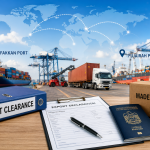
Moving cargo through the UAE and onward to GCC markets requires careful customs planning, accurate documentation, and reliable transportation. Customs Clearance At Khorfakkan And GCC Transit is an important logistics solution for businesses handling containers, general cargo, imports, exports, and regional transit shipments.
Khorfakkan Port has a strategic location on major international sea routes between East and West. The Khorfakkan Customs Centre primarily handles container clearance and also processes general cargo.
For businesses moving cargo from Khorfakkan toward other GCC destinations, professional customs and transit coordination can help simplify the process and reduce avoidable delays.
What Is Customs Clearance At Khorfakkan?
Customs clearance is the process of completing the required customs procedures before cargo can move to its next destination.
At Khorfakkan, customs operations support container and general cargo clearance. The port also has transportation connections that support the movement of containers to inland destinations.
Depending on the shipment, the process may involve:
- Customs declaration
- Document verification
- Cargo inspection
- Customs assessment
- Applicable payments or deposits
- Cargo release
- Port coordination
- Transportation arrangements
The exact requirements depend on the cargo type, customs procedure, destination, and applicable regulations.
Why Khorfakkan Is Important for GCC Cargo Movement
Khorfakkan’s location gives businesses access to international shipping routes and road connections into the UAE and the wider Gulf region.
The port has continued to strengthen its role as a regional logistics hub. Recent developments include large container vessels and direct maritime cargo movements, highlighting its importance in international and regional supply chains.
For businesses moving cargo toward GCC destinations, this combination of sea access and inland transportation can support efficient logistics planning.
What Is GCC Transit Clearance?
GCC transit clearance allows cargo to move through a customs territory toward another destination without treating the transit movement in the same way as a final local import.
The documentation and procedure depend on the customs route, cargo type, destination, and applicable rules.
Sharjah Customs lists a specific transit procedure that includes documents such as a delivery order, invoice, certificate of origin for non-GCC goods, packing list, customs deposit, and customs entry/exit certificate. Containers are sealed before leaving customs, and entry and exit certificates are checked and authenticated by customs officials.
Because transit shipments involve more than one location, accurate documentation and coordination are particularly important.
Customs Clearance At Khorfakkan And GCC Transit Process
A typical shipment can involve several stages.
1. Review the Shipment Requirements
Start by identifying the cargo type, final destination, shipping route, and required customs procedure.
This helps determine which documents, permits, and transportation arrangements may be necessary.
2. Prepare the Documents
Correct documentation helps customs teams process the shipment efficiently.
Depending on the shipment, documents may include:
- Delivery order
- Commercial invoice
- Packing list
- Certificate of origin
- Bill of lading
- Customs declaration
- Required permits
- Customs entry or exit documents
For transit shipments handled through Sharjah Customs, the official transit procedure specifically lists delivery order, invoice, packing list, certificate of origin for non-GCC goods, a 5% cash or cheque deposit, and customs exit/entry certificates among the requirements.
3. Submit the Customs Declaration
The customs declaration should contain accurate information about the cargo.
Important details can include:
- Product description
- Quantity
- Value
- HS code
- Country of origin
- Consignee information
- Destination
- Transport details
Incorrect information can lead to additional checks or processing delays.
4. Complete Customs Inspection
Customs authorities may inspect the cargo according to the applicable procedure.
The shipment should match the submitted documents. Clear documentation and proper cargo preparation can make the inspection process easier to manage.
5. Complete Transit Procedures
Once the required customs conditions are met, the cargo can proceed under the applicable transit arrangement.
Sharjah Customs states that containers are sealed before leaving customs, while entry and exit certificates are checked, signed, and stamped by customs officers.
6. Move the Cargo to the GCC Destination
After the required procedures are completed, the cargo can continue toward its destination according to the approved transit route.
Reliable road transportation and proper border coordination are essential at this stage.
Documents Required for Khorfakkan Customs and GCC Transit
Documentation can vary depending on the shipment and destination. Businesses should confirm the current requirements for their specific cargo before starting the clearance process.
Common documents may include:
- Commercial invoice
- Packing list
- Delivery order
- Bill of lading
- Certificate of origin
- Customs declaration
- Customs entry and exit documents
- Importer or agent information
- Product-specific permits, where applicable
Sharjah Customs also provides electronic customs services for sea-port import and export procedures, including export declarations for Mina Khalid and Khorfakkan.
Common Challenges in GCC Transit Shipments
International and regional transit shipments involve several parties. Without proper coordination, small documentation issues can affect the entire shipment.
Incomplete Documentation
Missing documents can delay customs processing. Review the paperwork before the cargo reaches the customs centre.
Incorrect Cargo Details
The product description, quantity, value, and HS code should match the actual shipment.
Missing Certificates or Approvals
Some products may require additional certificates or regulatory approvals. Check these requirements before arranging transportation.
Transit Deposit Requirements
Applicable customs procedures may require a deposit. Sharjah Customs currently specifies a 5% cash or cheque deposit for its listed transit procedure.
Border Coordination
GCC transit shipments may involve multiple customs and transport points. Proper coordination helps keep the cargo moving according to schedule.
Customs Clearance for Container and General Cargo
Khorfakkan Customs primarily handles container clearance, while general cargo is also processed at the centre.
Container Cargo
Container shipments require coordination between the shipping line, customs agent, port, transport provider, and consignee.
Important considerations include:
- Container details
- Bill of lading
- Delivery order
- Customs declaration
- Inspection
- Sealing requirements
- Transportation arrangements
General Cargo
General cargo can include machinery, equipment, industrial materials, and other commercial goods.
Such shipments may require additional planning depending on cargo size, weight, handling requirements, and destination.
Why Professional Customs and Transit Support Matters
A customs clearance provider does more than submit documents.
An experienced logistics team can coordinate different parts of the shipment, including:
- Customs documentation
- Port coordination
- Cargo inspection
- Transit procedures
- Transportation
- Shipping documentation
- GCC destination coordination
- Shipment updates
This integrated approach can help businesses reduce communication gaps between different service providers.
Customs Clearance and GCC Transit for Different Industries
Businesses across several industries may require Khorfakkan customs and transit support.
Manufacturing
Manufacturers often move raw materials, machinery, components, and finished goods across borders.
Construction
Construction companies may transport heavy equipment, project materials, and specialized machinery.
Automotive
Automotive logistics can involve vehicles, spare parts, equipment, and related cargo.
Industrial Projects
Project cargo often requires detailed transportation planning, customs coordination, and specialized handling.
Trading Companies
Importers and exporters can benefit from coordinated customs and freight forwarding support when moving commercial goods across the UAE and GCC.
How to Reduce Transit Delays
Businesses can take several practical steps to improve their customs and transit process.
Prepare documents early.
Do not wait until the cargo reaches the port to review the paperwork.
Verify cargo information.
Make sure the invoice, packing list, shipping documents, and customs declaration contain consistent information.
Check destination requirements.
Confirm the customs and import requirements applicable to the GCC destination before dispatch.
Plan transportation in advance.
Coordinate trucks and delivery schedules according to the expected cargo release.
Work with an experienced logistics partner.
A coordinated team can manage customs, port, transportation, and transit requirements more efficiently.
F4 Forwarders FZC: Customs and GCC Transit Solutions
F4 Forwarders FZC provides integrated customs clearance and logistics solutions for businesses moving cargo through key UAE logistics locations.
Our services include:
- Customs clearance
- GCC transit support
- Freight forwarding
- Sea freight
- Air freight
- Land transportation
- Project cargo logistics
- Port coordination
- Warehousing solutions
- Supply chain management
Our team helps businesses coordinate documentation, customs procedures, transportation, and cargo movement according to their shipment requirements.
Why Choose an Integrated Logistics Partner?
Managing customs, freight, transportation, and transit separately can create unnecessary communication gaps.
An integrated logistics approach connects the different stages:
Khorfakkan Port → Customs Clearance → Transit Processing → Road Transportation → GCC Border → Final Destination
With coordinated logistics support, businesses can manage the shipment through a single point of contact.
Customs Clearance At Khorfakkan And GCC Transit requires accurate documentation, proper customs procedures, reliable transportation, and careful coordination between different parties.
Khorfakkan’s strategic maritime position and customs infrastructure make it an important location for container and general cargo operations. For shipments moving onward to GCC destinations, professional transit support can help businesses manage documentation, customs requirements, transportation, and border coordination more efficiently.
F4 Forwarders FZC provides customs clearance, GCC transit, freight forwarding, land transportation, and integrated logistics solutions to help businesses move cargo efficiently across the UAE and regional markets.